
Understand what children are learning, so we can help them learn better.
A teacher can look around a classroom and know that some children are struggling. But knowing that a child is behind is not the same as knowing where they are struggling or what support they need.
Can they recognise letters? Can they understand what they read? Can they work with numbers? When did the difficulty begin? And what could help them move forward?
These questions matter because better information can lead to better decisions.
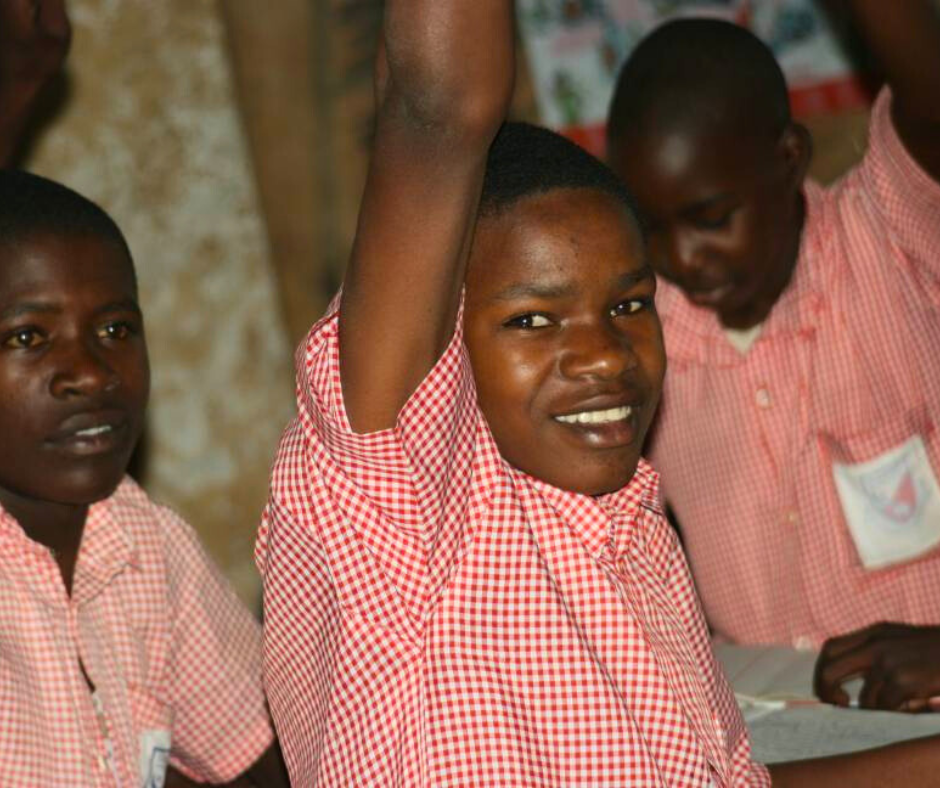
Assessment should help someone decide what to do next.
Assessment is sometimes treated as something that happens at the end of a term: a test is given, marks are recorded and a report is produced. We see it differently.
For a teacher, assessment might mean identifying children who need additional support. For a school leader, it might reveal a pattern across classrooms. For an education authority, it can provide a clearer picture of where children are learning well and where more attention is needed. For Tusome, it helps us understand whether the approaches we support are making a difference.
Assess
Understand what a child can do now, including their strengths and the areas where learning is difficult.
Understand
Look for patterns across children, classrooms and schools to see what the information is telling us.
Act
Use those insights to guide support, adjust teaching and make more informed decisions.
Useful information, without another reporting burden.
We are developing practical approaches to assessment and learning data that help schools understand children's learning without creating another complicated reporting burden for teachers.
Our initial focus is on understanding foundational learning, including literacy and numeracy, and using the information to identify gaps and guide support. The intention is to produce information that teachers and education leaders can understand and use, rather than data that simply sits in a report.
The work begins with children. Every number in a dataset represents a child sitting somewhere in a classroom, with their own starting point, strengths and challenges.
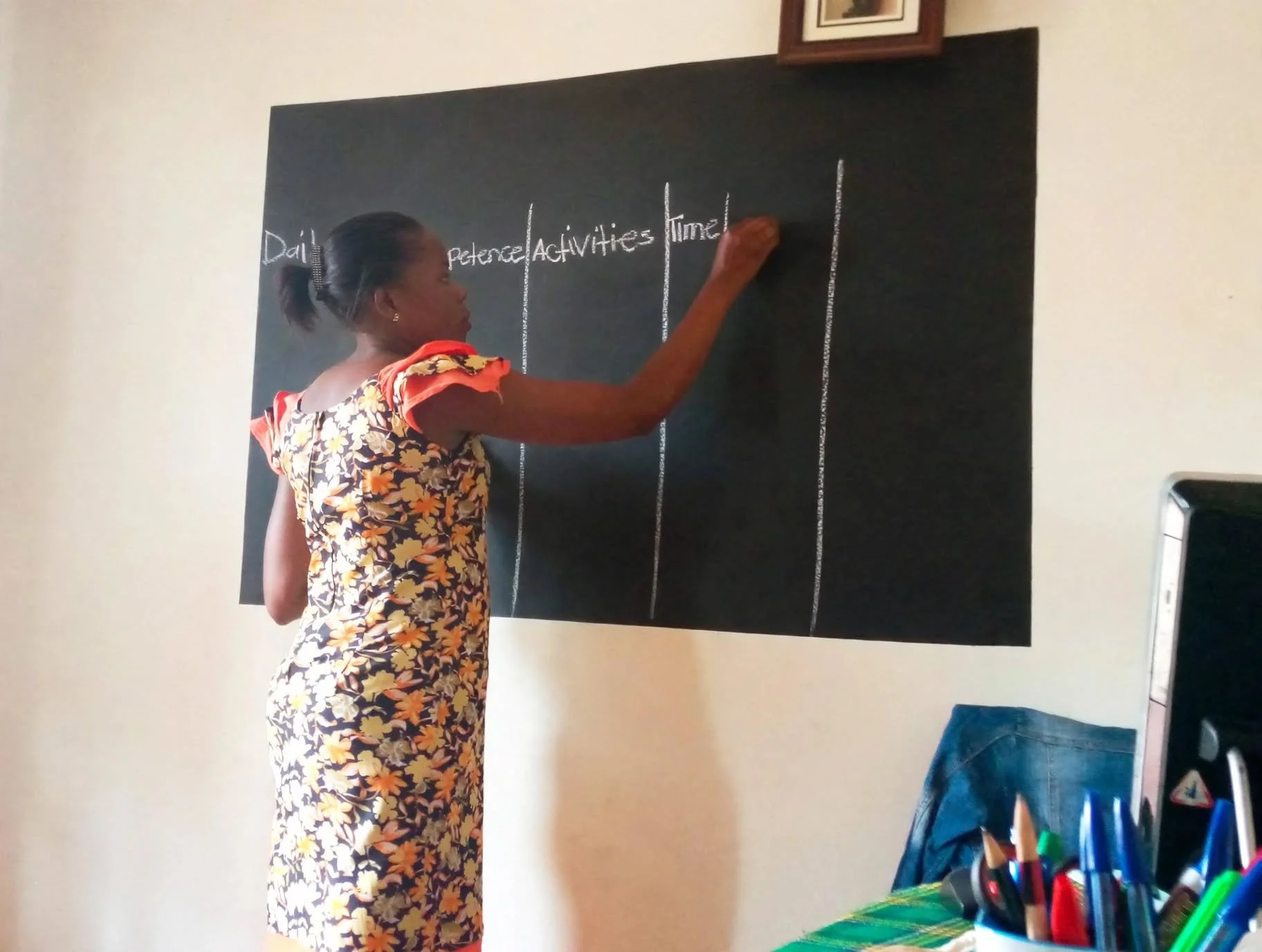
One picture of learning. Different decisions at every level.
Good learning data helps us see both the individual child and the bigger picture. Different people can use the information in different ways, depending on the decisions they need to make.

The child
Learning gaps can be recognised earlier, helping a child receive support that reflects what they need.
The teacher
Assessment can show which skills need more attention and help guide the next steps in teaching.
The school
Headteachers can identify patterns across classes and consider where teachers and learners need more support.
The education system
Education leaders can gain a clearer understanding of learning needs and where resources may have the greatest value.
Build an approach that works for the people using it.
Our assessment and learning-data programme is still developing. We are testing how best to collect, understand and use information in ways that are practical for schools and useful to education leaders.
That means listening to the people who will actually use the data, learning from what works and being willing to change the approach when something does not.
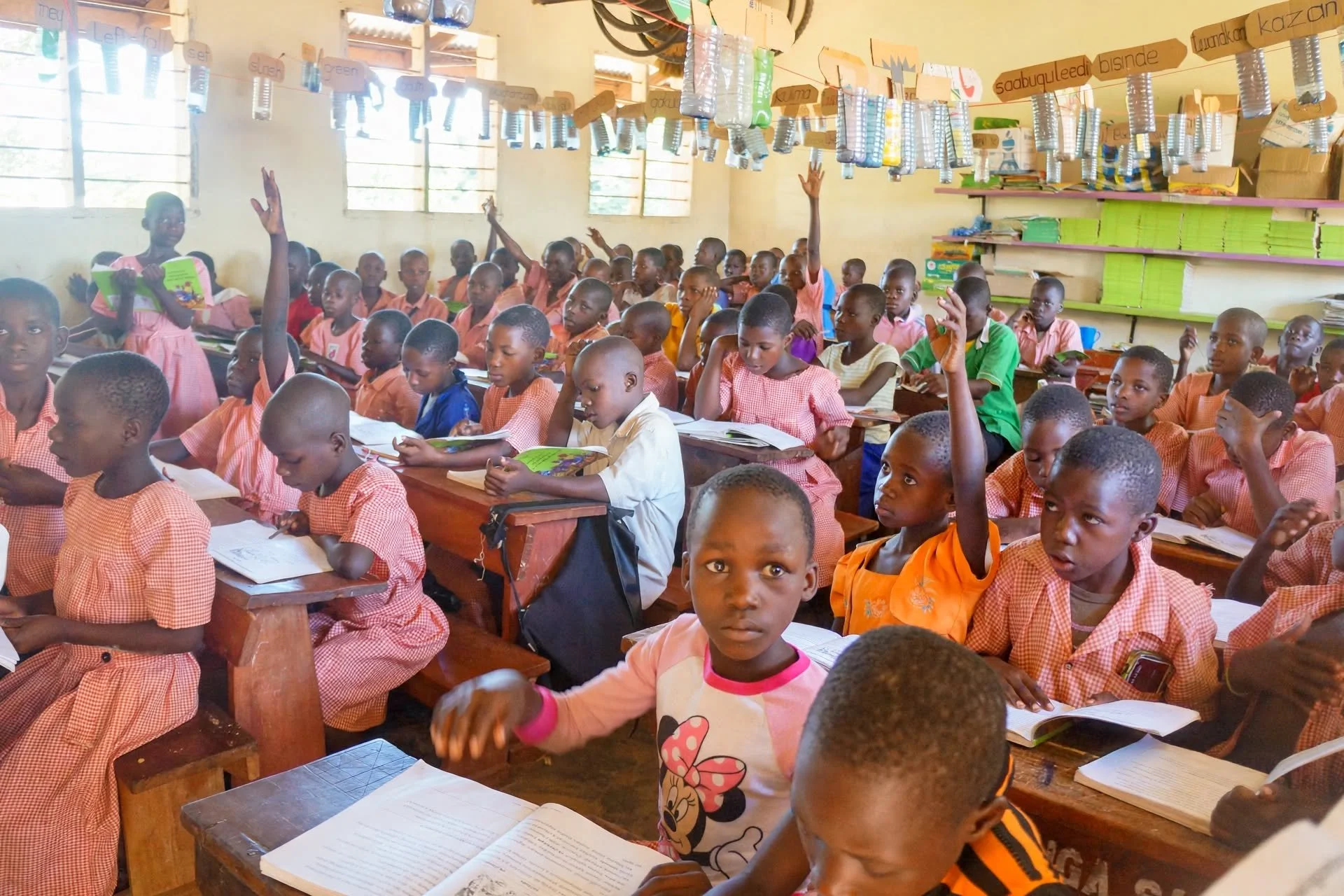
Data should serve learning — not the other way around.
We do not want to create another system that asks teachers to collect information simply because it is useful to someone else. We want to create better information that can lead to better decisions in the classroom, in schools and across the wider education system.
Small insights can lead to meaningful changes.
Better information does not improve learning on its own. Its value lies in what teachers, schools and education leaders are able to do with it.
Earlier support for a child
Identify a learning difficulty sooner, rather than waiting until it becomes harder to address.
A clearer picture for teachers
Understand where a class is struggling and which skills may need more focused attention.
Patterns that schools can act on
Recognise common learning gaps that may not be obvious from individual marks or classroom impressions alone.
Programmes that learn and adapt
Change an approach when evidence shows that something is not working as expected.
At a wider level, this can help education leaders make decisions based on a clearer understanding of children's learning. These may seem like small changes, but together they can change how a system responds to children.
Keep the focus on learning.
Our approach is guided by a simple principle: information is useful when it helps people understand learning and decide what to do next.
Explore what this means in practice.
Make information useful
Respect teachers' time
Learn and adapt
Making learning visible. Making decisions count.
Learning assessment matters when it helps educators and decision-makers understand what children need and respond in ways that improve learning. The value lies not only in what the evidence reveals, but in what happens next.
Find out
Establish what children know and can do, rather than assuming learning has taken place simply because a lesson has been taught.
Identify the gaps
Examine results to recognise strengths, reveal learning gaps and understand patterns that might otherwise go unnoticed.
Take informed action
Help teachers adapt instruction and school leaders identify where learners and educators need additional support.
Strengthen learning
Use evidence to guide support, prioritise resources and monitor progress so decisions can improve over time.
What this means in practice
For teachers, clearer insight into children's learning. For school leaders, better-informed support. For education partners, stronger evidence to guide decisions and resources. Each level has a role to play in turning information into meaningful action.
The goal is not more data. It is better decisions.
Tusome Africa works to connect what assessment reveals with the practical action needed to help children learn, strengthen teaching and support more responsive education systems.
Better evidence can lead to better learning.
This work connects back to everything we do — from strengthening a child's first foundations to helping primary school pupils become confident readers. Understanding what children are learning helps us ask better questions, respond more thoughtfully and keep improving the support we provide.
We welcome conversations with schools, education partners, researchers and funders who share our commitment to improving foundational learning in Uganda.