
Stories from our work · Early Childhood Education
We started with one classroom. Now we have three.
At Nakalama, change is visible in the classrooms, in the confidence of young learners and in the people working to give them a stronger start. What began with one classroom has grown into three, supported by educators, school leadership, parents and the wider community.

Growing together, one classroom at a time
Nakalama’s story began in 2019. Since then, the early learning centre has developed from a single classroom into three, with growing support for the children, the educators who teach them and the school community around them.
This growth has not come from buildings and resources alone. It has also involved strengthening teaching practice, working with parents and helping the school take an increasingly active role in the future of early childhood education.
The educator's journey
Building confidence in the classroom
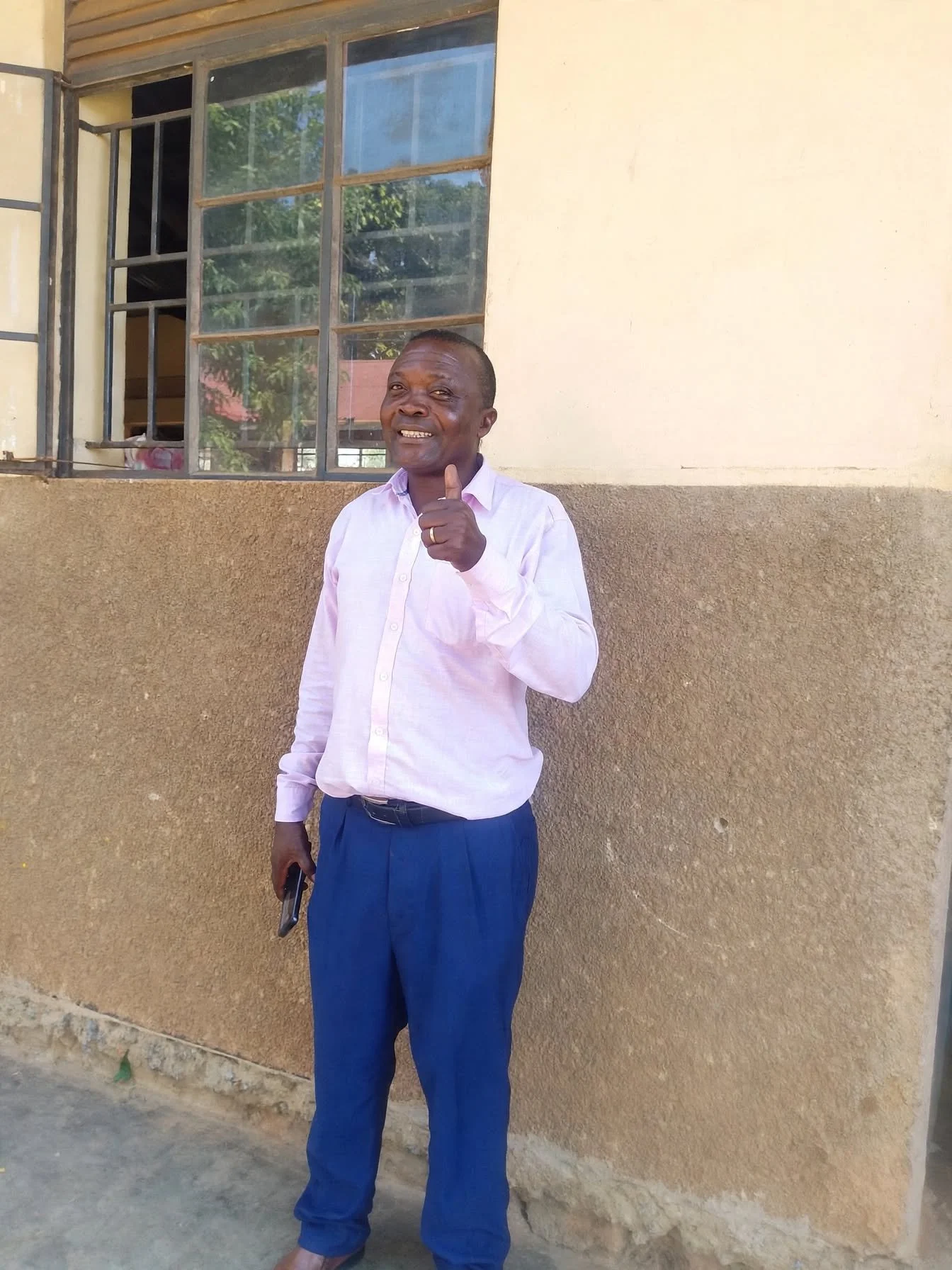
For Madam Esther, one of Nakalama’s paraeducators, the changes are personal as well as professional. Training, practical guidance and continued support have helped her develop her teaching and grow in confidence.
“When we started in 2019, teaching was not as developed as it is today.” Madam Esther, paraeducator
With training and guidance from Tusome, Esther has strengthened her teaching practice and the way she supports children’s learning. Her experience reflects why investing in educators matters: children benefit when the adults around them have the skills, confidence and support to help them learn.
She has also seen changes in the children themselves, including their development, participation and readiness to learn.
The school's journey
From a limited space to a stronger foundation
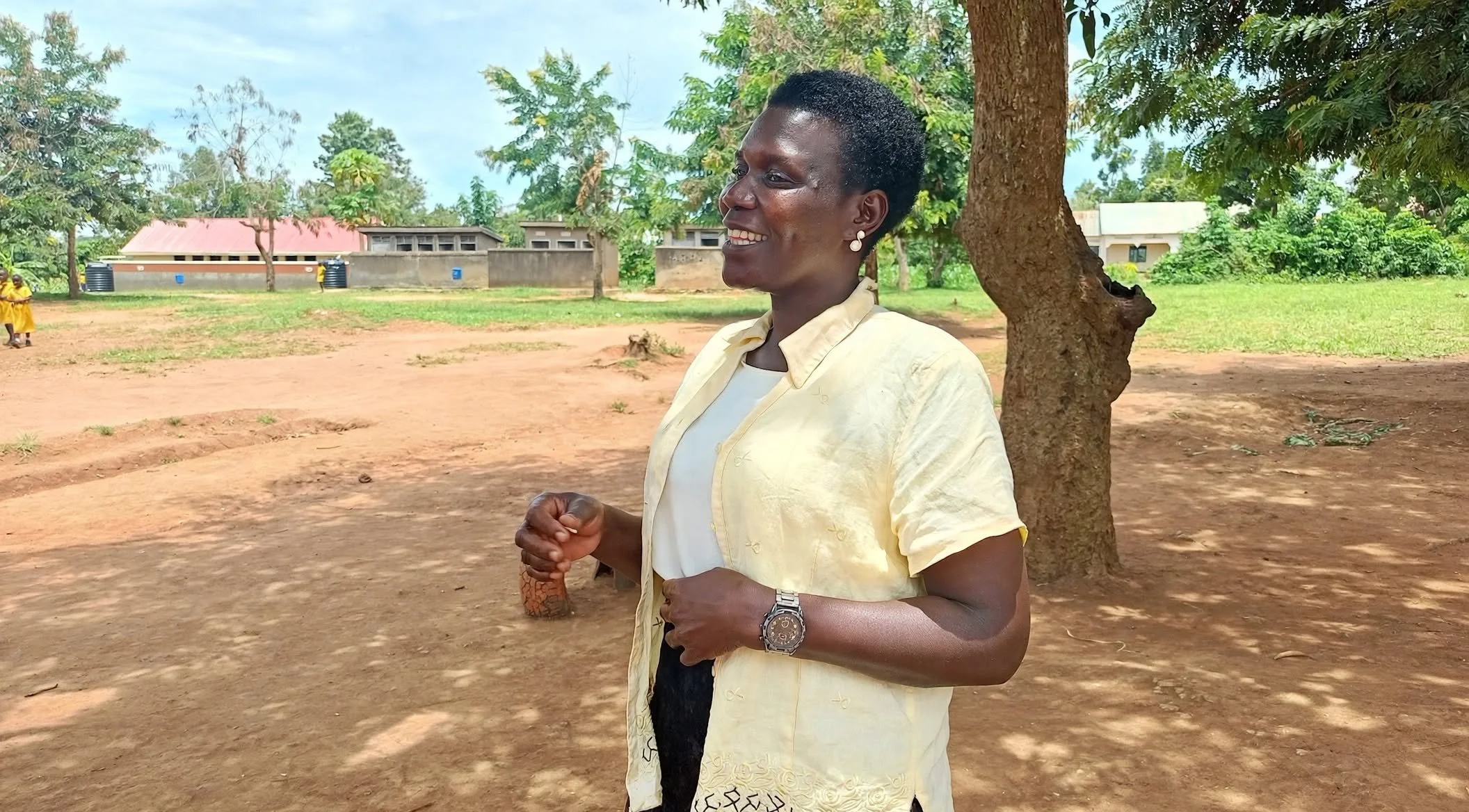
Headteacher Mr Edward Bukye remembers the challenges facing the nursery provision: the classroom block needed improvement, learning materials and textbooks were limited, and some parents did not yet see the value of early childhood education.
Tusome supported improvements to the learning environment, the recruitment and training of paraeducators, and the development of day-to-day teaching practice. Teaching and learning resources helped create a more supportive environment for young children.
More than a renovated classroom
Improvements to the physical space were part of a wider effort to strengthen early learning: supporting educators, engaging parents and helping the school integrate early childhood education into its work.
As the centre developed, interest among parents grew. The school saw children becoming more confident, engaging in reasoning and participating more readily in the routines of school.
The growth from one classroom to three is an important milestone. Just as important is the increasing role of school leadership and the community in supporting the centre’s future.
A parent's perspective
Learning that carries on at home
For parent Ms Zulaika, the changes are visible in everyday family life. She has seen her daughter develop new skills, become more responsible and communicate more confidently.
“Even if she doesn't do it rightly, I believe she will learn.” Ms Zulaika, parent
Her daughter can now read, write and identify names. At home, she is more willing to communicate, take responsibility, work on homework and help with everyday tasks such as washing dishes. These may seem like small moments, but they matter to a parent watching a child grow in confidence and independence.
Ms Zulaika also recognises the importance of making early learning a priority and encourages other parents to give their children the opportunity to attend.
A model for lasting change
Build. Embed. Sustain.
Nakalama reflects Tusome’s approach to supporting early childhood education. The aim is not to create a centre that depends on outside support indefinitely. It is to help schools and communities build the capacity to maintain quality early learning over time.
Build
Establish a stronger foundation through an appropriate learning space, prepared educators, teaching resources and engagement with parents.
Embed
Strengthen teaching practice and work with school leadership, parents and community structures so that early learning becomes part of the school’s and community’s ongoing work.
Sustain
Support local responsibility for continuing the work, with lighter-touch technical guidance as the school and community take ownership.
Progress takes people, commitment and time
The journey has not been without challenges. Recruiting educators, ensuring reliable pay, finding age-appropriate learning materials and strengthening local ownership all require ongoing attention.
Community ownership does not mean that every difficulty disappears. It means that the people closest to the children have a growing role in identifying challenges, making decisions and sustaining the work.
Nor can every change in a child or a school be attributed to a single intervention. Progress at Nakalama reflects the combined efforts of educators, parents, school leadership and community members, alongside the support provided through Tusome’s work.