
OUR WORK
Building Strong Foundations for Lifelong Learning
We work with communities in Uganda to expand access to quality early childhood education, strengthen foundational skills and use evidence to improve how children learn.
Going to school is not the same as learning
Across Uganda, children arrive at school every day ready to learn. They are curious, capable, full of questions.
But too many complete several years of schooling without gaining the foundational skills they need — to read a simple story and understand it, to work confidently with numbers, to feel at home in learning.
This is not because children cannot learn. It is because the foundations that make learning possible are not yet in place for every child.
Globally, this is known as learning poverty. In Uganda, around 83% of children are estimated to be unable to read and understand a simple text by age ten according to reports by World Bank and UNESCO. That figure does not reflect ability. It reflects opportunity.
There is no single reason. A child may arrive at Primary One without having had the chance to attend early childhood education — not because their family does not value it, but because the nearest centre is too far or too costly. A school may have few books beyond textbooks. Teachers and leaders may not have timely, useful information about what their pupils are actually learning. Where a child lives, their family's income, gender and disability can shape the opportunities available.
We work on the parts of this where we believe we can make a practical and lasting difference, alongside schools, communities and government.
We start with the foundations
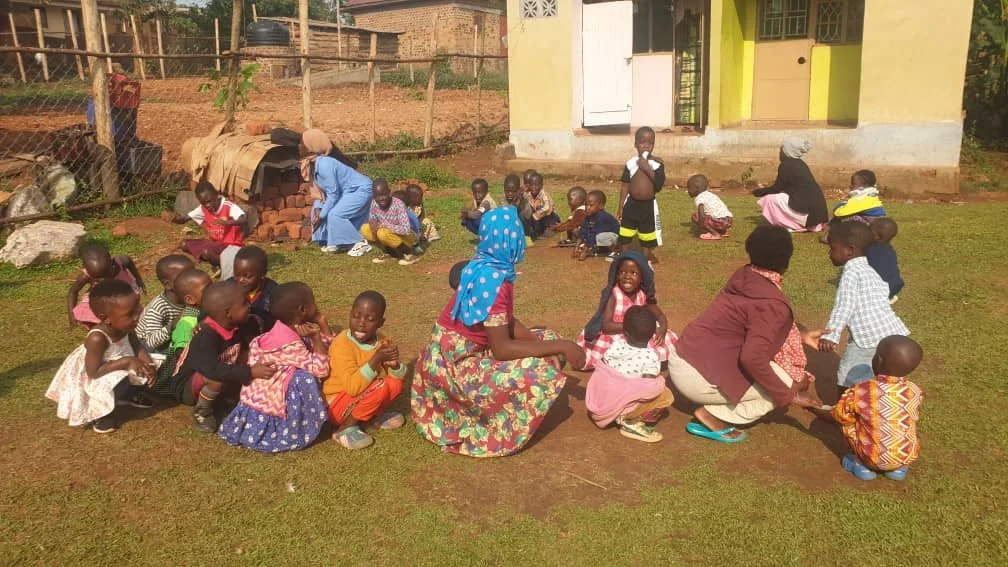
Children need strong foundations to do well at school. These begin long before Primary One and continue through the early years of primary.
That is why our work brings together three connected areas: Early Childhood Education, Libraries and Foundational Skills, and Assessment and Learning Data.
Our programmes are different, but they are connected by the same question: what does a child need in order to learn well?
For one child, that may begin with somewhere safe and welcoming to learn before primary school. For another, it may be a good book and regular time to practise reading. For a teacher, it may be better information about which children need more support.
We do not see these as separate problems. They are different parts of the same learning journey.
Early Childhood Education
A strong start matters
Many children arrive at Primary One having had little structured opportunity to learn, simply because early education is too far away or too costly.
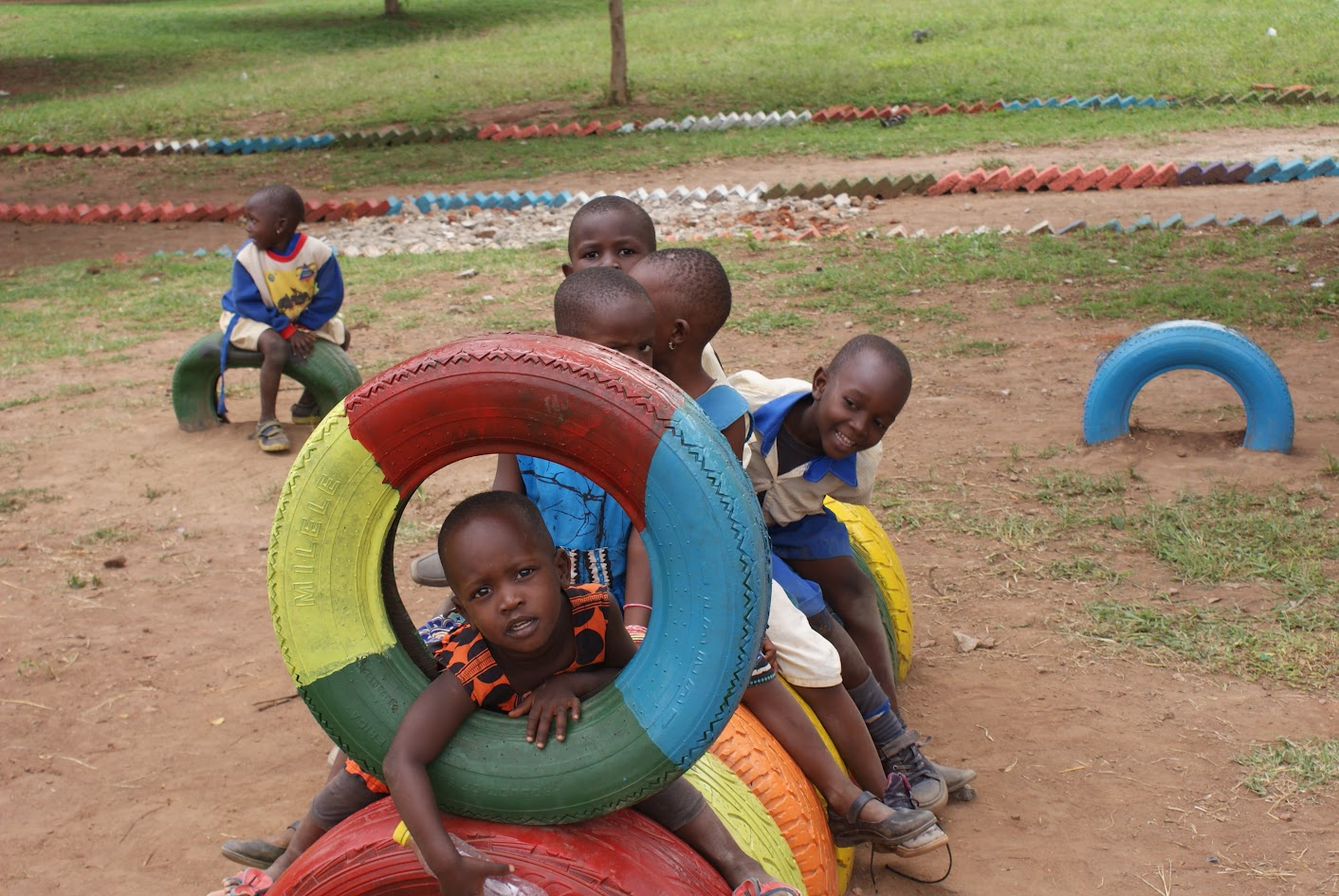
We bring early learning closer to children — safe, welcoming spaces where they can learn through play, led by women from their own communities trained and mentored as paraeducators.
Today we have 18 centres across Iganga and Wakiso, increasingly connected to public primary schools so they can become part of the local education system.
Foundational Skills for Learning
Learning to read takes practice
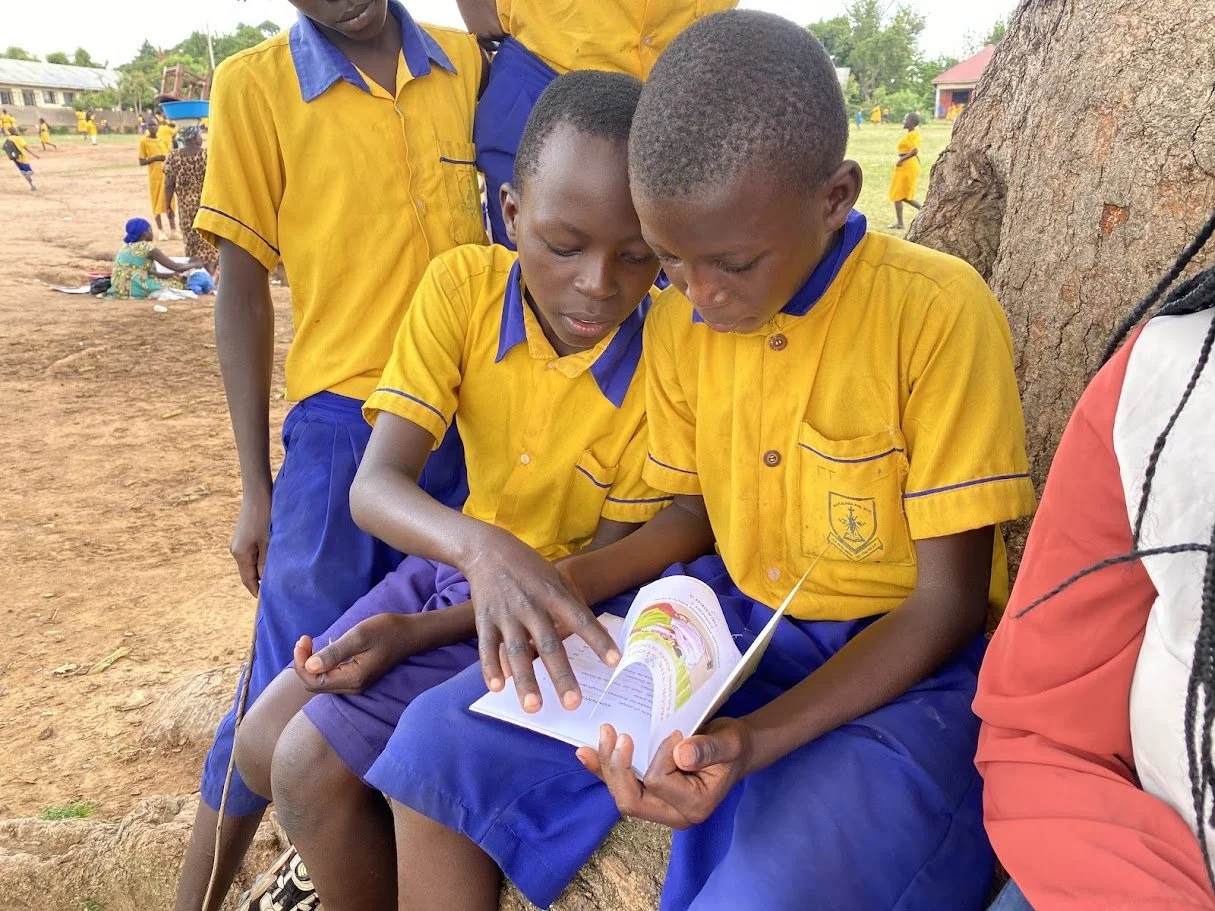
Children need books they can understand, places to read, and adults who encourage them.
We start with what is already there — turning underused rooms into welcoming reading spaces, providing age-appropriate books, and helping schools build a culture where reading is regular and enjoyable, not just another lesson.
At Bukwaya Primary, for example, one space now serves nearly 100 ECE children in the mornings and 800 primary pupils through the day.
Data on Learning
Knowing where children are starting from
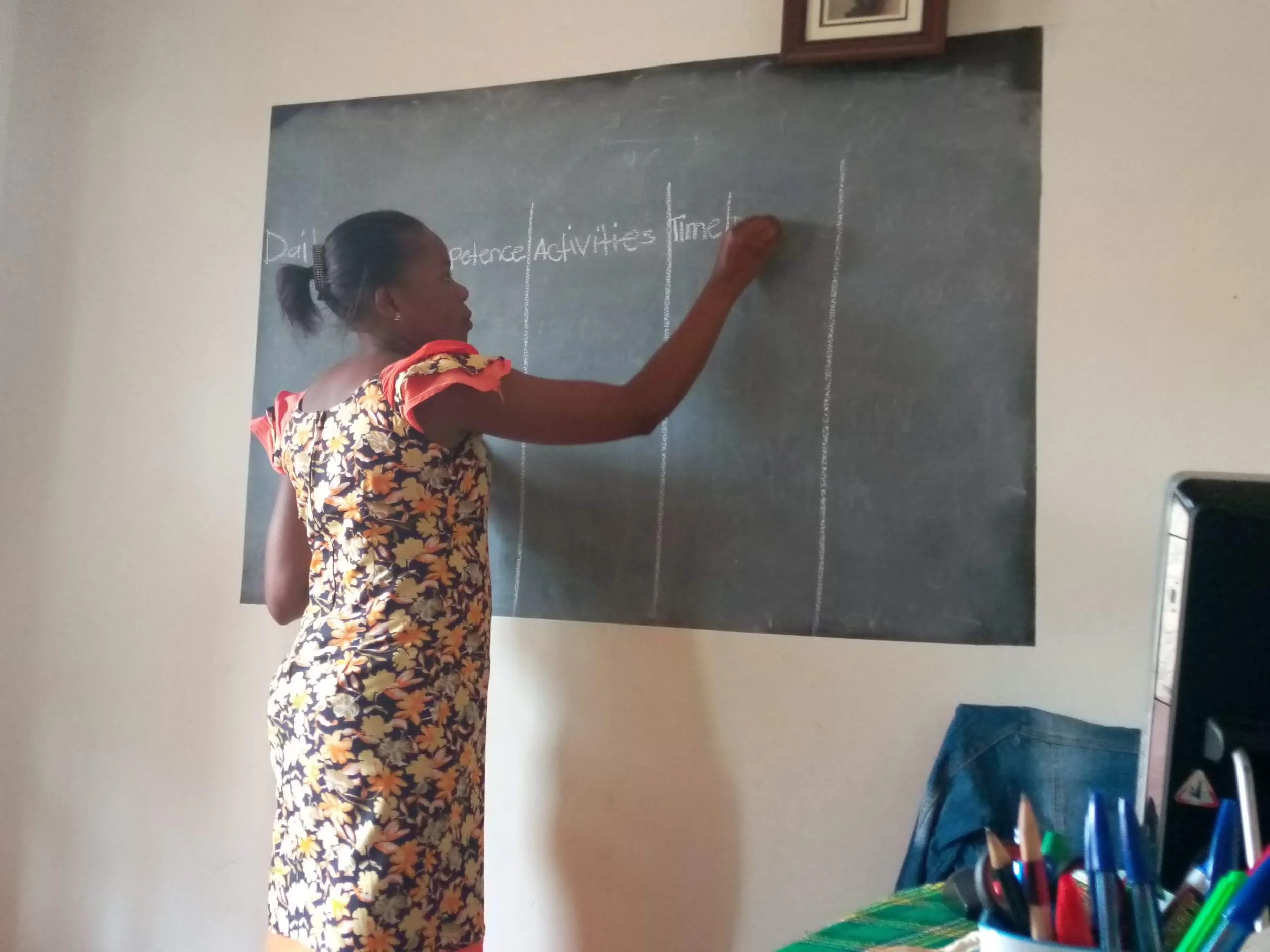
A child can sit in a classroom every day and still struggle without anyone seeing exactly where the gap is.
Our assessment work helps teachers and education leaders get a clearer, more useful picture of what children are actually learning — so they can make better decisions about what support is needed next.
The point is not another report. It is knowing enough to act.
We work from the child backwards
Our starting point is always the child.
Rather than beginning with a particular project and asking where it can be implemented, we try to understand what is happening for children and where the gaps are. What happens before they reach school? What happens when they arrive? Do they have the foundations? Opportunities to practise? Do teachers know what they have understood?
This way of working has shaped our programmes. It is why we do not expect every community or school to need exactly the same thing. We work with schools, parents, paraeducators, teachers, community members and local education authorities to understand context and decide what is most useful. We use evidence to guide decisions, but we also pay attention to what people experience on the ground.
Some of our strongest lessons have come from things that did not work exactly as we first expected.
We do not want to keep doing something simply because it was the original plan. If something can be improved, we improve it.
We have learned by doing
Tusome has been working in Ugandan communities since 2017. Over that time, programmes have developed as we have listened, tested approaches, looked at evidence and seen what happens after a project finished.
ECE is a good example. We learned simply keeping fees low did not make early education accessible. We learned community spaces can create access, but need local ownership to last. We learned existing public-school infrastructure can provide greater continuity, and supporting the educator is just as important as improving physical space.
Built to last
We are a small organisation, so we think carefully about what will remain when funding ends.
Where possible, we work with what already exists — adapting spaces, developing people from the communities where we work, and working with government rather than around it.
Our work follows a Build → Embed → Sustain pathway: establish foundations, strengthen practice and ownership, then step back so skills and spaces remain with the people and schools who will carry them forward.
For us, sustainability is not what happens after a grant ends. It is how we design the work from the beginning
What are we trying to change?
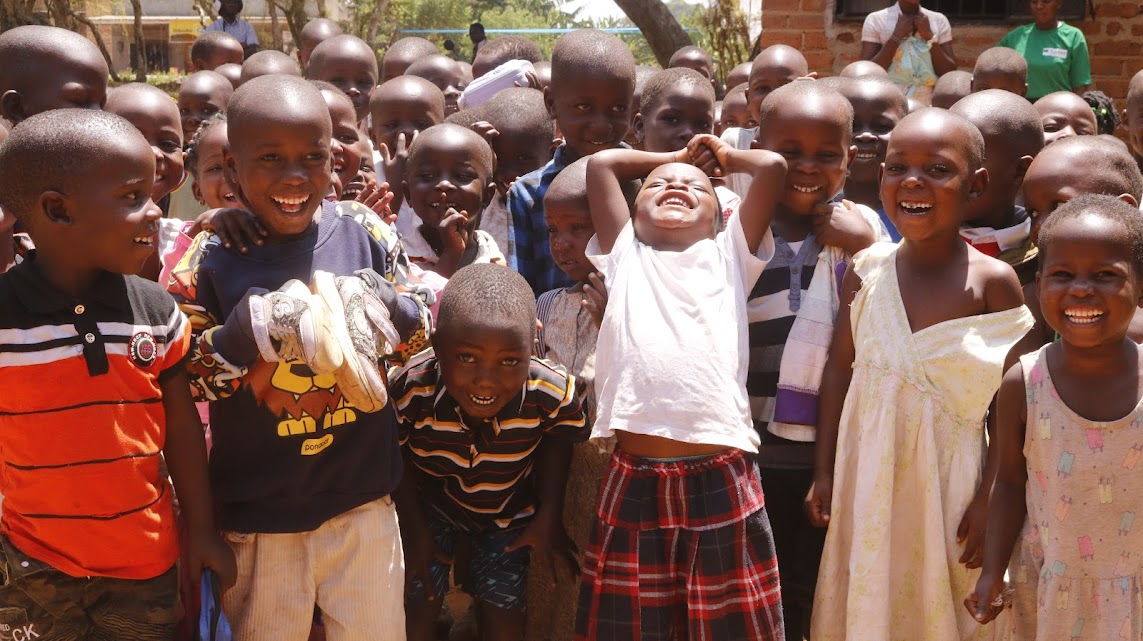
Ultimately, our work is about giving children a better chance to learn, stay in school and fulfil their potential.
We want children to have the foundations they need to succeed at school. We want fewer children to fall behind and eventually leave because they have not been able to keep up. And we want a child's chances of learning to depend less on where they live, their family's income, gender or whether they have a disability.
These are big challenges, and we know Tusome cannot solve them alone.
What we can do is work carefully in the places where we are present, learn from those experiences and build approaches that communities, schools and local education systems can continue to use.